





Why Italian Fountains Have Been Flowing for Thousands of Years.
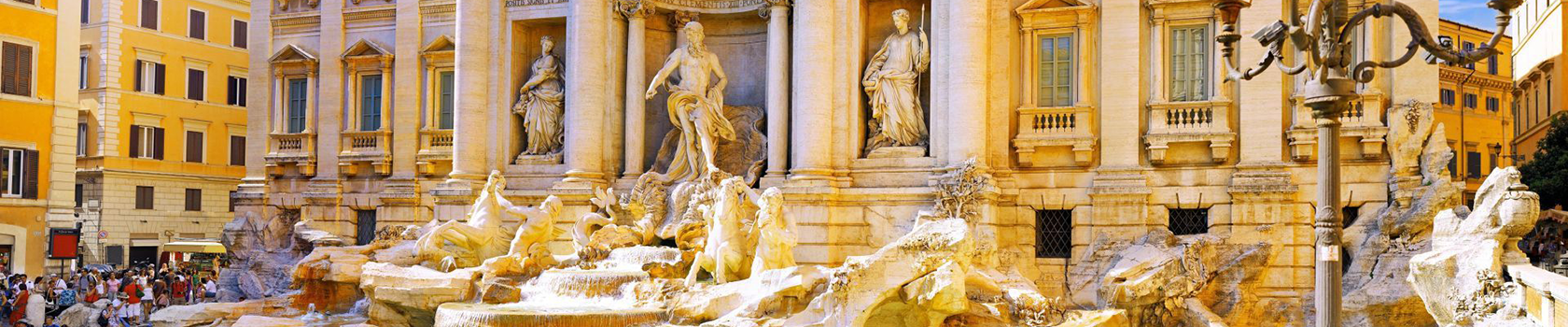
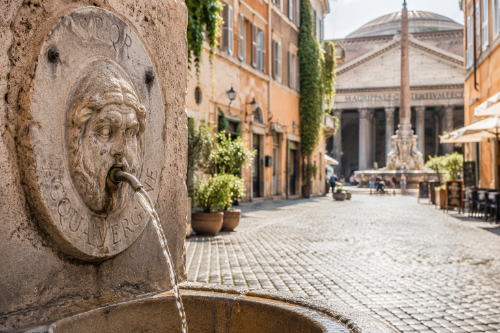 Throughout Italy, it is common to come across beautiful public fountains offering fresh, cool drinking water to anyone passing by. From bustling city squares to quiet village streets, these fountains are more than decorative landmarks—they are part of a remarkable engineering legacy that has endured for over two thousand years. Many visitors are surprised to learn that some of these fountains are still supplied by water systems whose origins date back to ancient Rome.
The Romans were extraordinary engineers who understood that access to clean water was essential to a thriving civilization. To meet this need, they constructed an extensive network of aqueducts that carried fresh spring water across valleys, over mountains, and into cities using nothing more than gravity and carefully calculated gradients. These aqueducts supplied public baths, homes, fountains, and gardens, providing a level of infrastructure that was centuries ahead of its time. Many of these ancient systems were so well designed that portions remain in use even today.
Italy has embraced this heritage by preserving and maintaining thousands of public drinking fountains throughout the country. In Rome alone, more than 2,500 small fountains known as nasoni ("big noses") provide continuously flowing fresh water free of charge. Locals fill reusable bottles during their daily routines, while travelers enjoy a refreshing drink after exploring the city's historic streets. These fountains have become a symbol of hospitality, sustainability, and the enduring connection between Italy's past and present.
The next time you visit Italy and stop to take a sip from a public fountain, you're experiencing far more than a simple convenience. You're participating in a tradition that stretches back to one of history's greatest civilizations—a living reminder that exceptional engineering, thoughtful planning, and respect for community can stand the test of time. In a world where so much is temporary, Italy's flowing fountains remain a beautiful testament to craftsmanship, innovation, and enduring public service.
By Tonya Clement